

Key Takeaways
- Stretch denim is cotton-based denim blended with elastane (spandex) for flexibility and comfort.
- It improves fit, movement, and shape retention compared to rigid denim.
- The trade-off is that higher-stretch content can undermine long-term structure if not engineered well.
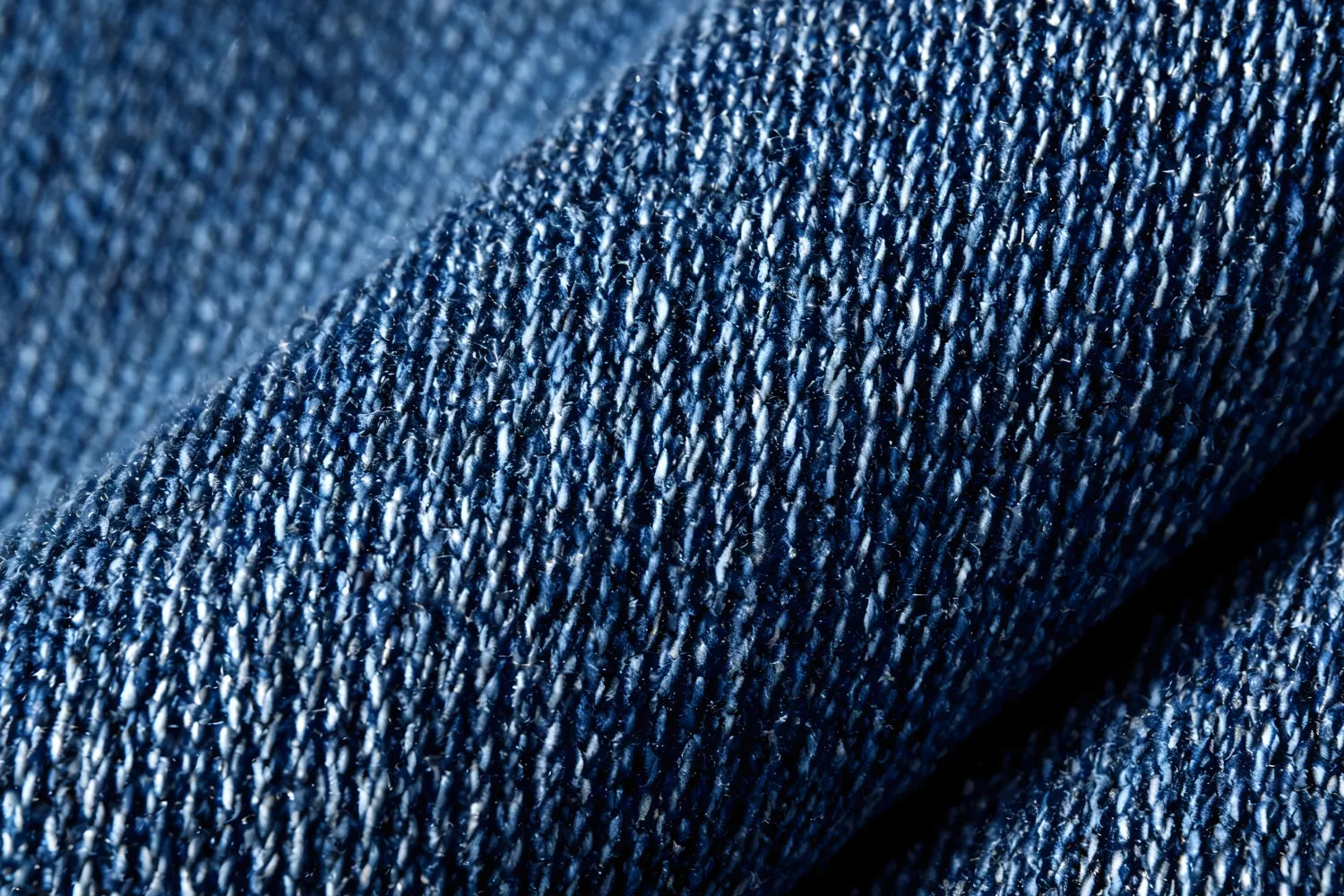
If you’ve ever wondered what stretch denim is and why it feels so different from rigid jeans, the answer comes down to fiber composition. Stretch denim is traditional cotton denim blended with elastic fibers like elastane, spandex, or Lycra . This combination creates fabric that moves with your body instead of resisting it.
Unlike rigid denim, which holds its shape with minimal give, stretch denim is designed to flex, recover, and adapt throughout the day. That makes it one of the most widely used fabrics in modern women’s jeans, especially for styles that prioritize comfort and all-day wearability.
How Stretch Denim Works
Stretch denim works by combining two fiber systems: cotton for structure and elastic fibers for movement. Cotton provides breathability, durability, and the classic denim feel, while elastane or spandex introduces stretch and recovery.
When the fabric is worn, the elastic fibers elongate as the body moves. When the pressure is released, the fibers contract back to their original shape. This is known as recovery , and it’s one of the most important performance factors in quality stretch denim.
The balance between cotton and elastane determines how the jeans feel:
- Low stretch (1–2% elastane): more structured, closer to rigid denim
- Medium stretch (2–4% elastane): balanced comfort and shape retention
- High stretch (4–5%+ elastane): maximum flexibility with a softer feel
Recovery quality is just as important as stretch percentage. Poor recovery leads to sagging knees, loose waistbands, and jeans that feel stretched out after a few hours.
At Kut from the Kloth , stretch denim is engineered to support real-life movement while maintaining shape and style. This means jeans are designed not just to fit at first wear, but to continue fitting well throughout the day.
Pros of Stretch Denim
Stretch denim has become a staple in modern wardrobes because it solves many of the comfort issues associated with traditional denim.
1. Enhanced Comfort and Mobility
Stretch denim, like our Jodi High Rise Wide Straight Leg , moves with the body, making it easier to sit, walk, bend, and live in your jeans throughout the day. This is especially important for fitted silhouettes like skinny or slim jeans.
2. Improved Fit Across Body Shapes
Because stretch denim adapts to different proportions, it can accommodate a wider range of body types. Jeans like our Blair High Rise Straight Leg , help reduce waistband gaps, tight thigh issues, and pulling across the hips.
3. Shape Retention With Recovery
High-quality stretch denim returns to its original shape after wear, helping jeans maintain a consistent fit from morning to night.
4. Smoother Silhouette
In denim like our Natalie High Rise Bootcut , stretch fibers gently smooth the body without rigid compression, creating a more streamlined appearance through the waist, hips, and thighs.
Cons of Stretch Denim
While stretch denim offers clear advantages, it’s not without tradeoffs. Understanding these helps shoppers choose the right level of stretch for their needs.
1. Potential Loss of Structure Over Time
Jeans with a very high elastane content may lose their shape more quickly, especially if worn frequently without proper recovery time between wears.
2. Less Breathability in High-Stretch Blends
Heavily engineered stretch fabrics can feel warmer or less breathable than pure cotton denim, particularly in tighter fits.
3. Over-Compression in Poor Quality Denim
Not all stretch denim is created equally. Low-quality blends may rely on compression rather than true recovery, which can create discomfort or unflattering shaping over time.
4. Shorter Lifespan in Some Cases
Excessive stretching can lead to faster fiber breakdown, especially if jeans are washed frequently or dried at high heat.
Stretch Denim vs. Rigid Denim
Understanding the difference between stretch and rigid denim helps explain why each performs differently.
|
Feature |
Stretch Denim |
Rigid Denim |
|
Flexibility |
High |
Low |
|
Comfort |
All-day wear |
Structured feel |
|
Shape Retention |
Depends on recovery quality |
Naturally stable |
|
Break-in Period |
Minimal |
Longer |
|
Best Use |
Everyday, fitted styles |
Vintage, structured looks |
How To Choose the Right Stretch Denim
When shopping for stretch denim, consider more than just comfort at first try-on. Think about how the jeans will perform over time.
Ask yourself:
-
Do I want a sculpted fit or a relaxed structure?
-
Will I wear these jeans all day or occasionally?
-
Do I prefer softness or firmer support?
-
How important is long-term shape retention?
A good rule of thumb is that medium-stretch denim (around 2–4% elastane) offers the best balance for most body types and lifestyles.
Care Tips for Stretch Denim
Proper care helps preserve both stretch and recovery.
-
Wash in cold water to protect elastic fibers
-
Avoid high-heat drying, which breaks down elastane
-
Turn jeans inside out before washing to reduce friction
-
Allow jeans to rest between wears so fibers can recover
These steps help extend the life of your jeans and maintain a consistent fit.
FAQs
What is stretch denim made of?
Stretch denim is made from cotton blended with elastic fibers such as elastane, spandex, or Lycra. This combination allows the fabric to stretch and recover while maintaining structure.
Is stretch denim better than 100% cotton denim?
Neither is universally better. Stretch denim offers comfort and flexibility, while 100% cotton denim offers durability and a more structured, traditional feel. The best choice depends on personal preference and intended use.
Does stretch denim lose its shape?
Low-quality or high-stretch denim can lose shape over time, but well-made stretch denim with strong recovery maintains its fit throughout the day and across repeated wear.
How much stretch is best in jeans?
Most experts recommend 2–4% elastane for a balance of comfort, structure, and durability. This range offers flexibility without excessive sagging.
Can stretch denim shrink?
Stretch denim can shrink slightly if exposed to high heat, especially in the dryer. Washing in cold water and air-drying helps maintain the original fit.
Conclusion
So, what is stretch denim? It is a cotton-based fabric blended with elastic fibers that allow jeans to move, flex, and recover while maintaining shape. It has become the foundation of modern denim because it balances comfort with style.
While it does have some tradeoffs, including potential loss of structure in high-stretch blends, its benefits in comfort, fit adaptability, and everyday wearability make it a core material in today’s denim wardrobe.
Understanding how stretch denim works helps you choose jeans that not only fit well at first wear but continue to feel great over time.
Sources:
LYCRA® dualFX® Fabric Technology: For Super-Stretch Denim and Wovens | Lycra
Denim Nerds Are Wrong. Stretch Jeans Are Superior. | Wirecutter
10 Innovations Changing the Denim Industry for the Better | Women’s Wear Daily
Stretch Denim Recovery Testing: Ensuring Quality and Durability in Modern Fabrics | New Asia


