

Key Takeaways
- Jeans sizes 24–34 typically refer to waist measurements in inches rather than traditional US dress sizes.
- Size 28 jeans in US sizing usually align with US sizes 6–8, depending on the rise, stretch, and brand.
- Proper fit depends on waist and hip measurements and denim stretch, not just the number on the tag.
If you’ve ever wondered what women’s jeans sizes 24–34 actually mean, you’re not alone. Denim sizing can feel inconsistent, especially when comparing waist-based sizing systems to traditional US dress sizes.
This guide breaks down everything you need to know so you can shop with confidence and find your best fit, including what size 28 jeans in US sizing really translates to.
Jeans sizing in the 24–34 range is commonly used in premium denim and fashion-forward brands. Unlike standard US dress sizes, which are based on general body measurements , these numbers are more closely tied to waist circumference in inches. That means a size 28 typically corresponds to a 28-inch waist measurement, though the actual fit can vary depending on the rise, fabric stretch, and cut.
Understanding this system is key to avoiding common fit issues such as waistband gapping, tightness through the hips, and inconsistent sizing between styles.
What Do Jeans Sizes 24–34 Mean?
Jeans sizes 24–34 generally refer to waist measurements in inches. A size 24 corresponds to approximately a 24-inch waist, while a size 34 corresponds to a 34-inch waist. However, this is a baseline measurement, not a guarantee of exact fit.
Several factors influence how jeans actually fit:
- Rise (high-rise vs mid-rise vs low-rise)
- Fabric composition (stretch vs rigid denim)
- Cut (skinny, straight, bootcut, wide-leg)
- Brand-specific grading and fit standards
This is why two pairs of size 28 jeans in US sizing may feel noticeably different, depending on design and fabric.
Jeans Size Conversion Chart (24–34 Overview)
Below is a general conversion guide to help translate waist-based denim sizing into US dress size equivalents:
|
Denim Size |
Waist (inches) |
Approx. US Size |
|
24 |
24" |
00–0 |
|
25 |
25" |
0–2 |
|
26 |
26" |
2–4 |
|
27 |
27" |
4–6 |
|
28 |
28" |
6–8 |
|
29 |
29" |
8–10 |
|
30 |
30" |
10–12 |
|
31 |
31" |
12–14 |
|
32 |
32" |
14–16 |
|
33 |
33" |
16–18 |
|
34 |
34" |
18–20 |
It’s important to remember that this chart is a guideline, not an exact rule. Fit varies based on body shape, denim stretch , and design intent.
What Size 28 Jeans in the US Actually Means
A size 28 jeans in US sizing typically corresponds to a US women’s size 6–8, depending on brand and fit. In most cases, it is designed for a natural waist measurement of approximately 28 inches, but real-world fit depends heavily on rise and fabric structure.
For example:
- A high-rise size 28 may feel slightly smaller because it sits above the natural waistline.
- A mid-rise size 28 may feel more relaxed through the torso.
- A stretch denim size 28 may feel more forgiving than a rigid denim version.
This is why many shoppers find that they wear different sizes across styles, even within the same brand. At Kut from the Kloth, denim is designed with comfort-focused stretch and thoughtful structure, helping create a more consistent fit across silhouettes.
How To Measure Yourself for Jeans
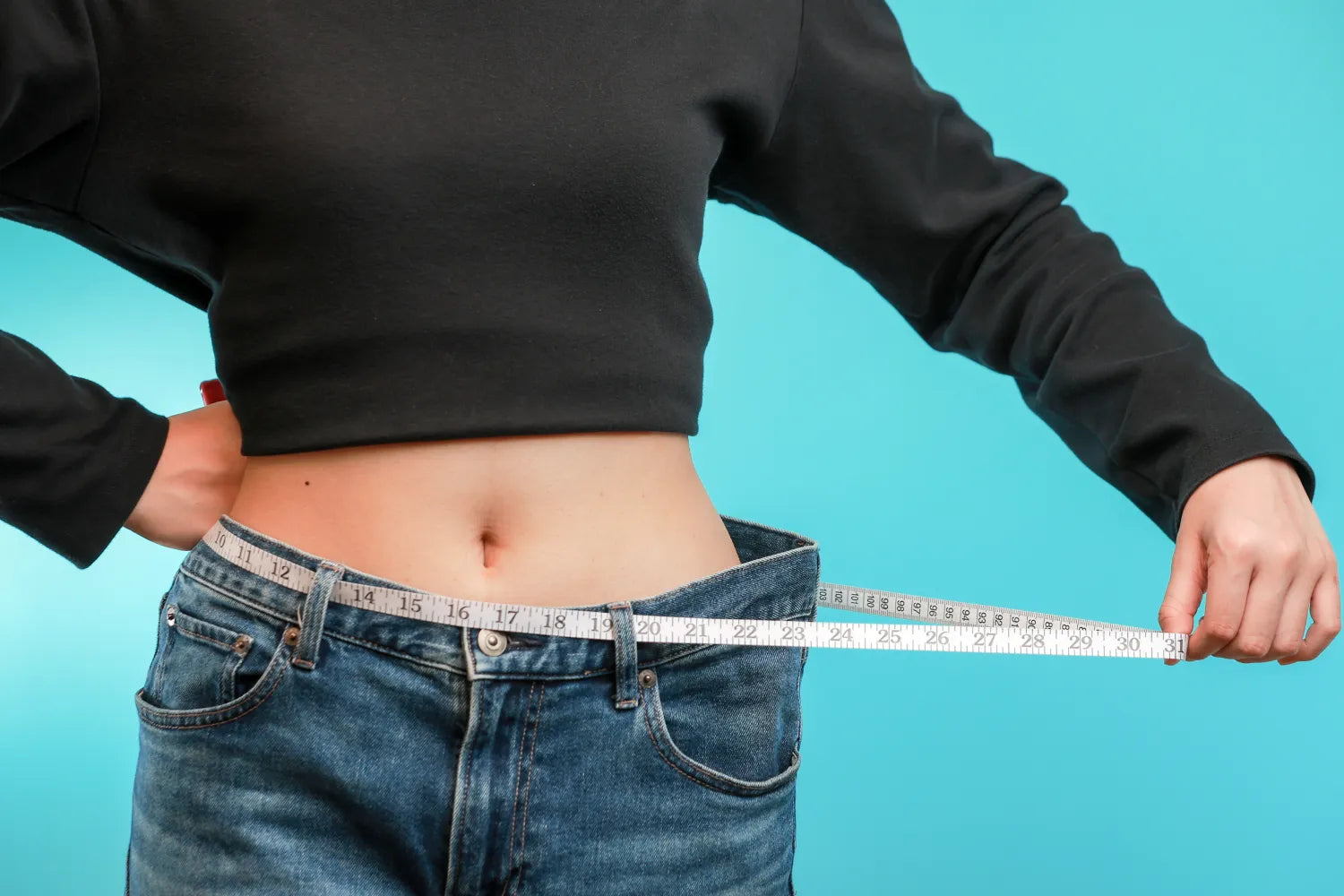
To find your correct jeans size, measuring your body is more reliable than relying solely on standard sizing labels.
Here is how to measure properly:
- Waist: Measure around the narrowest part of your torso, usually just above the belly button
- Hips: Measure around the fullest part of your hips and seat
- Inseam: Measure from the top of the inner thigh to the ankle
When measuring, keep the tape snug but not tight. This ensures you get an accurate baseline for denim sizing.
Why Denim Fit Feels Different Even in the Same Size
Even when two pairs of jeans are labeled size 28 jeans in US sizing, they may not feel identical. That is because denim is influenced by several design and construction factors.
Key variables include:
- Fabric stretch percentage
- Recovery
- Rise height
- Cut and silhouette
For example, a structured straight-leg jean may feel more secure at the waist, while a high-stretch skinny jean may feel more flexible through the leg but slightly looser at the waistband over time.
The Kut from the Kloth Fit Philosophy
Kut from the Kloth designs denim with real-life movement and comfort in mind. Each pair is created to balance structure with softness so sizing feels more consistent across styles.
Key design elements include:
- Flexible stretch denim that moves with the body
- Thoughtful rises designed to flatter different torso lengths
- Fit engineering that reduces waistband gaps
- Soft recovery fabrics that help jeans maintain shape throughout the day
This approach helps make sizes like 28 more predictable across multiple silhouettes, whether you are shopping skinny, straight, bootcut, or wide-leg styles.
To explore fit consistency in more detail, shoppers can use the Kut from the Kloth Denim Fit Guide for personalized sizing support.
How To Choose the Right Size for You
When selecting your jeans size, consider more than just the number on the tag. The best fit depends on how you want your jeans to feel and function.
Ask yourself:
- Do I prefer a snug or relaxed waistband fit?
- Am I prioritizing stretch or structure?
- Will I wear these jeans all day or only occasionally?
- Do I want shaping through the waist and hips or a looser silhouette?
If you are between sizes, stretch denim typically allows you to size down for a more sculpted fit, while rigid denim may require sizing up for comfort.
Frequently Asked Questions
What does a size 28 in jeans mean in US sizing?
A size 28 in jeans typically corresponds to a US women’s size 6–8, depending on brand, rise, and fabric stretch. It is based on a 28-inch waist measurement but can vary slightly depending on fit.
Are jeans sizes 24–34 universal across brands?
No, jeans sizing is not universal. While sizes 24–34 are based on waist measurements in inches, each brand uses its own fit grading system, which affects how the jeans actually fit on the body.
Is a size 28 considered small or medium?
A size 28 is generally considered a medium in most women’s denim sizing systems, though this can vary by brand and fit category.
Why do I wear different jean sizes in different styles?
Different silhouettes use different fabric weights, rises, and stretch levels. A skinny jean may fit differently than a straight-leg or wide-leg style, even in the same size, like a US size 28.
Should I size up or down in stretch denim?
In most cases, you can stay true to size in stretch denim. If you prefer a tighter, more sculpted fit, some people size down slightly, but comfort and recovery should always be considered.
Conclusion
Understanding women’s jeans sizes 24–34 makes denim shopping far more predictable once you know how waist measurements translate into US sizing. A size 28 jeans in US sizing typically aligns with a US 6–8, but true fit depends on rise, stretch, and construction.
By focusing on measurements, fabric behavior, and silhouette rather than just the number on the tag, you can find jeans that feel consistent, comfortable, and flattering. With thoughtfully designed denim from Kut from the Kloth, sizing becomes less about guesswork and more about finding a fit that works with your body and your everyday life.
Sources:
Denim Nerds Are Wrong. Stretch Jeans Are Superior. | Wirecutter
The Fashion Editor’s Guide To Finding Your Perfect Pair of Jeans | The Guardian
How To Find the Perfect Pair of Jeans For You | Good Housekeeping


